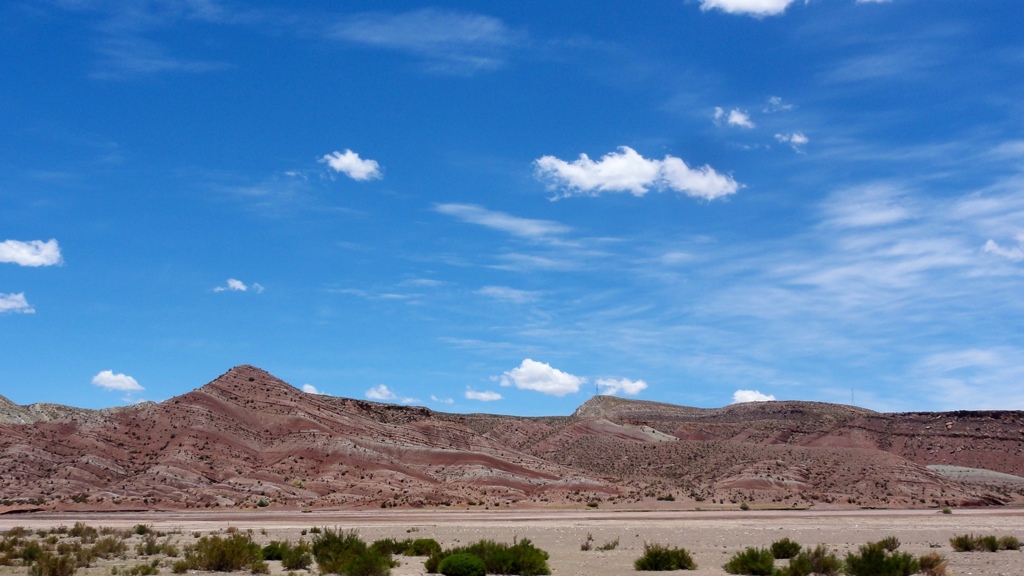
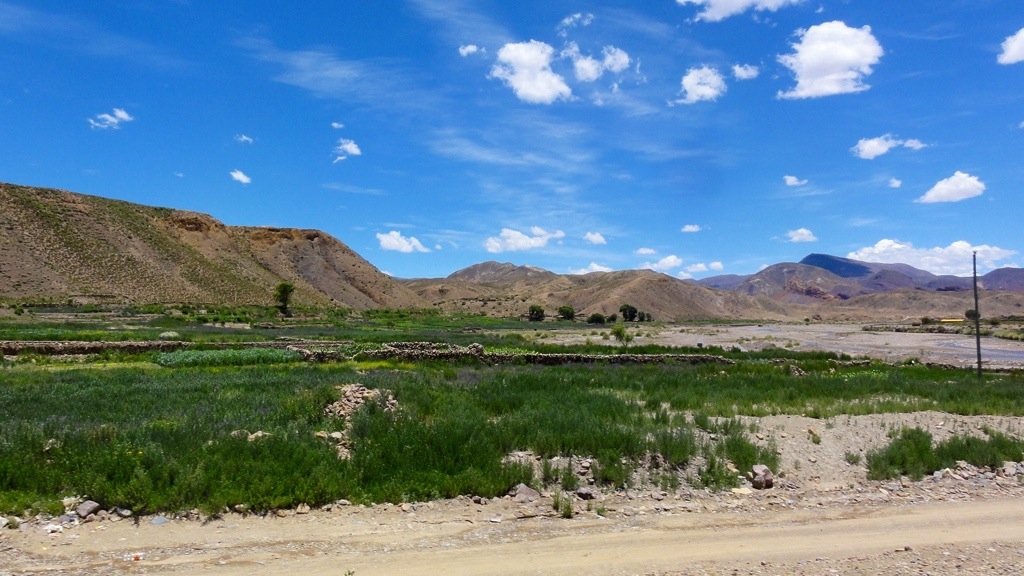
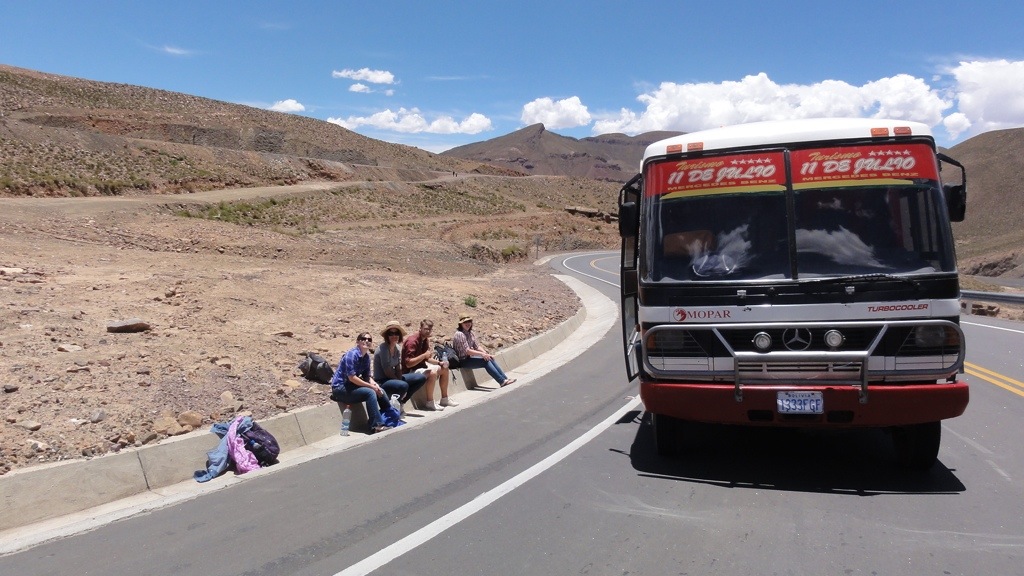
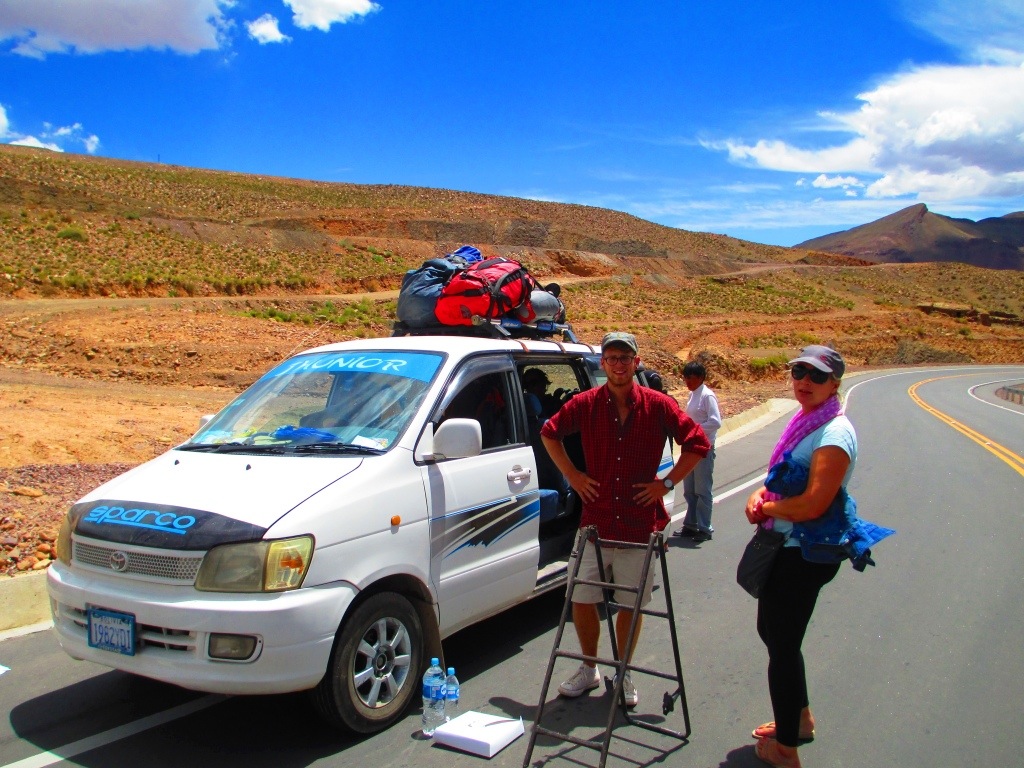
We left Uyuni somewhat worse for wear on bus for Potosi. We were feeling quite pleased as even though it was a public bus we had it all to ourselves so plenty of space for us to spread out. The scenery was really dramatic as we climbed away from the salt flats all though a few of the tour were in no mood or health to really appreciate it. Then our first hiccup of the tour struck as the bus broke down half way up a mountain on a bend. After a few attempts to fix the bus by the driver, our guide and the driver walked off up the mountain to get phone reception. They returned after half an hour having sourced a minivan from the nearest town, which arrived within twenty minutes. The van belonged to a young couple, who were headed to Potosi with their baby, they sat in the front and we squeezed into the back two rows with all our luggage stowed on the roof. It was far from comfortable, but a total result to only have been stopped for an hour in total, and as the small minivan was faster then the bus we only arrived in Potosi half and hour than we expected.
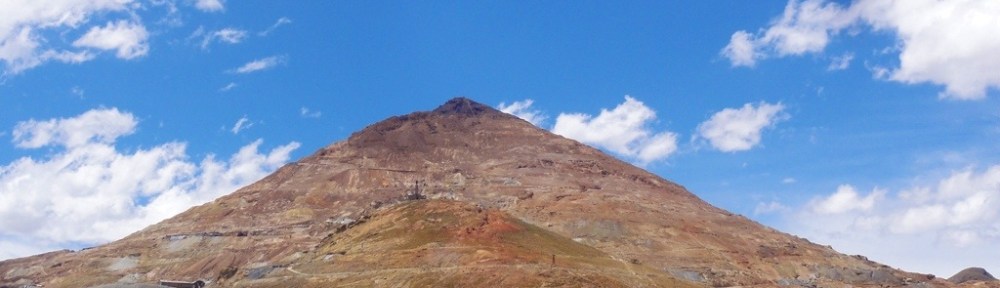
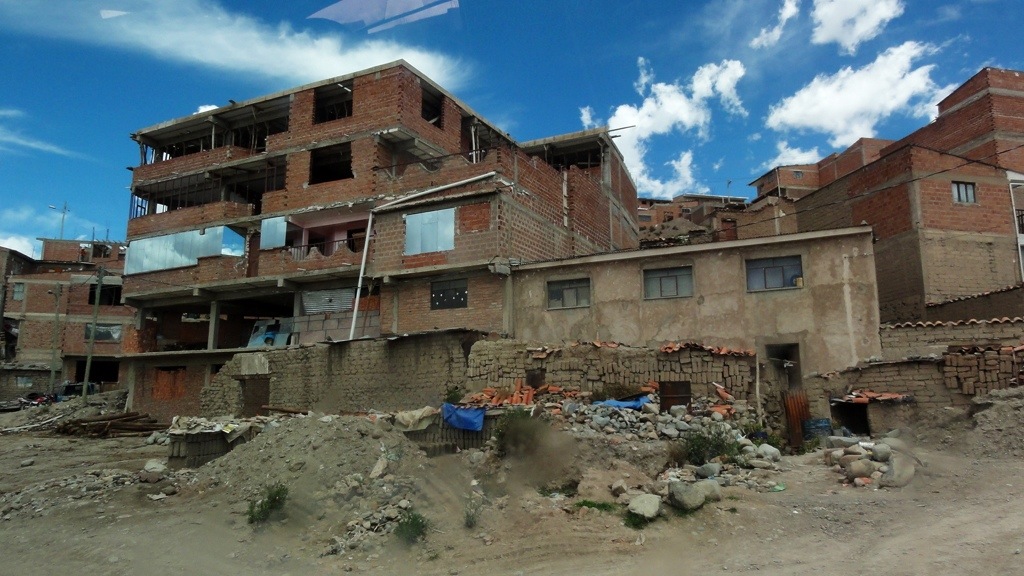
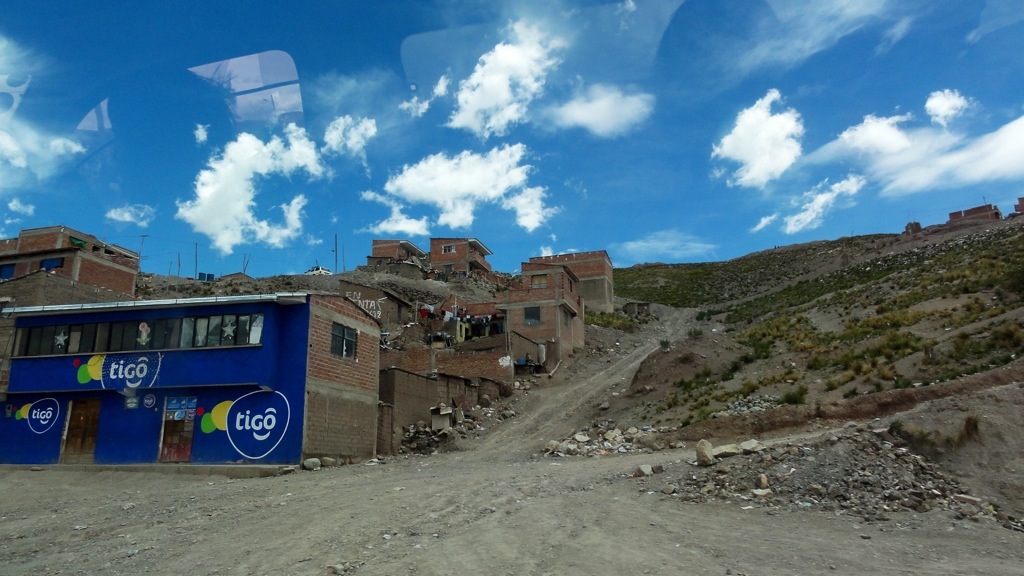
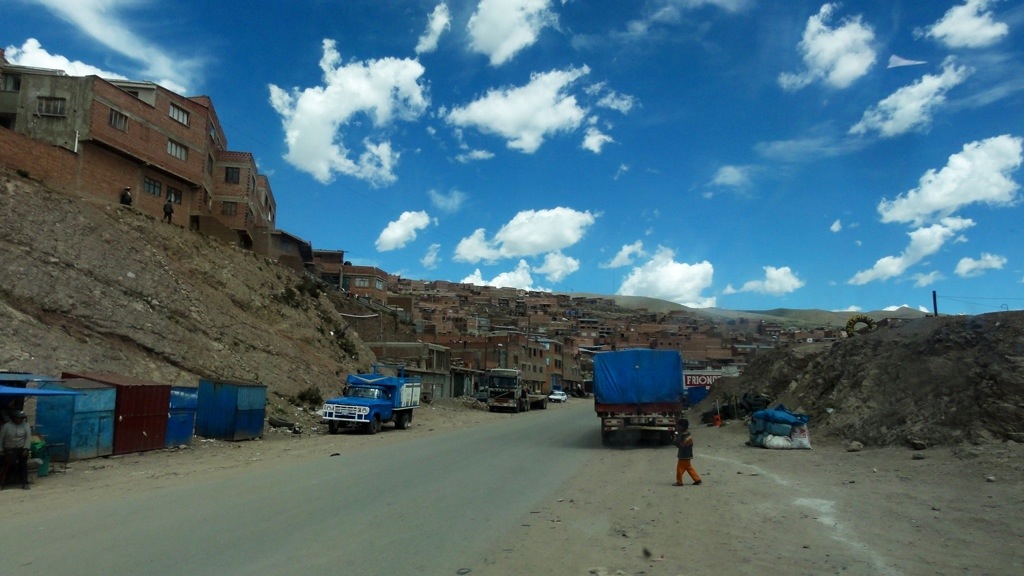
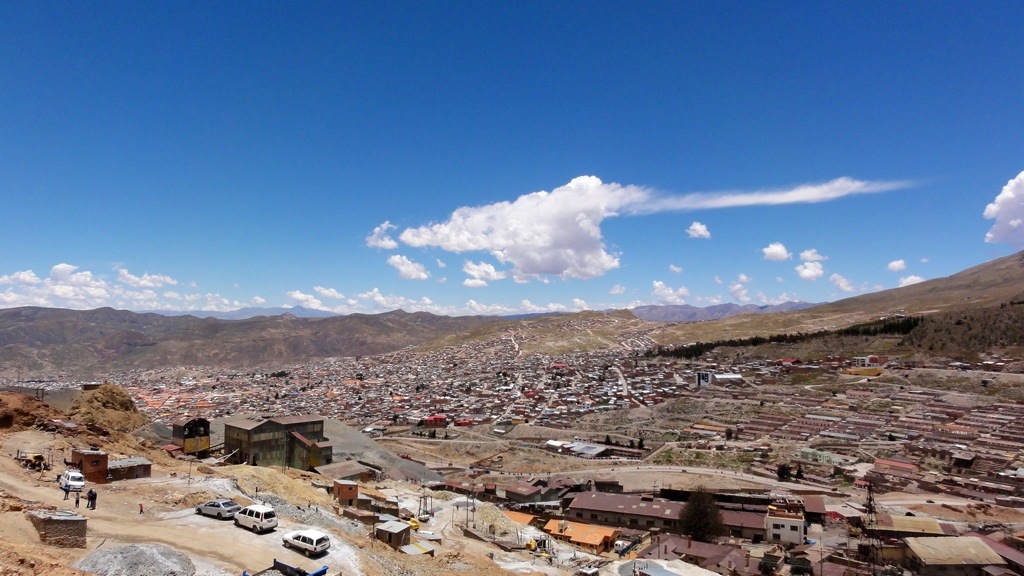
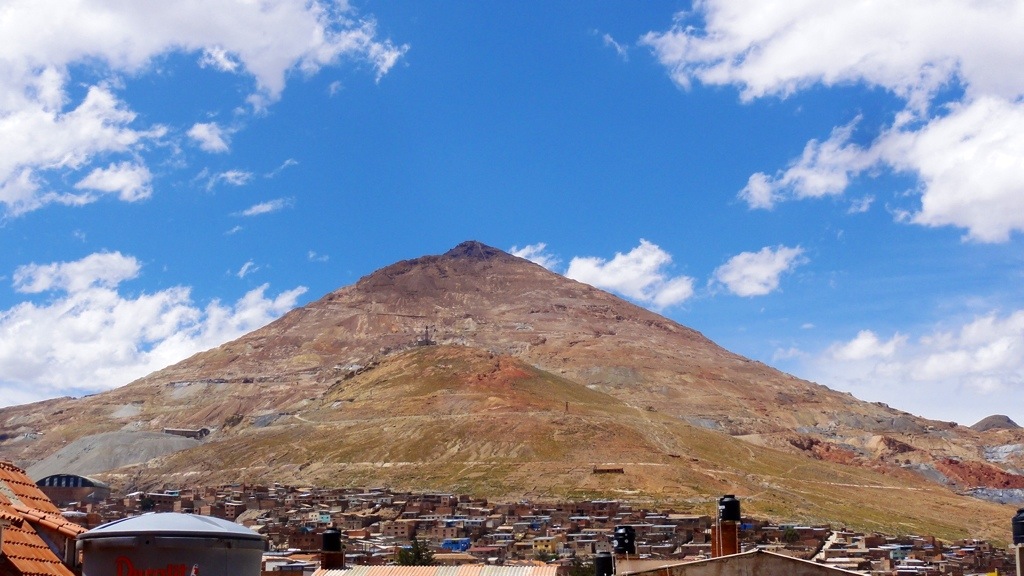
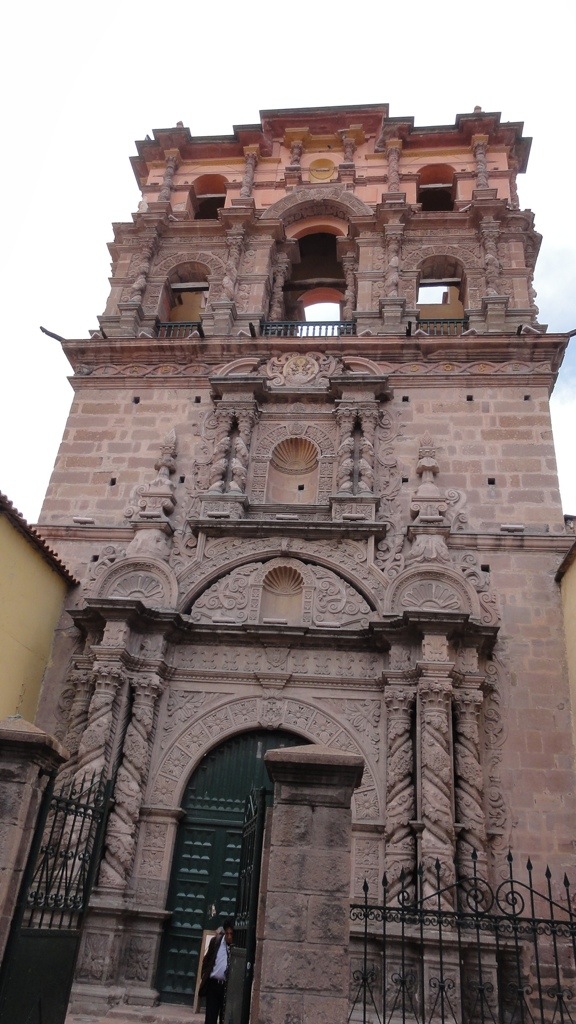
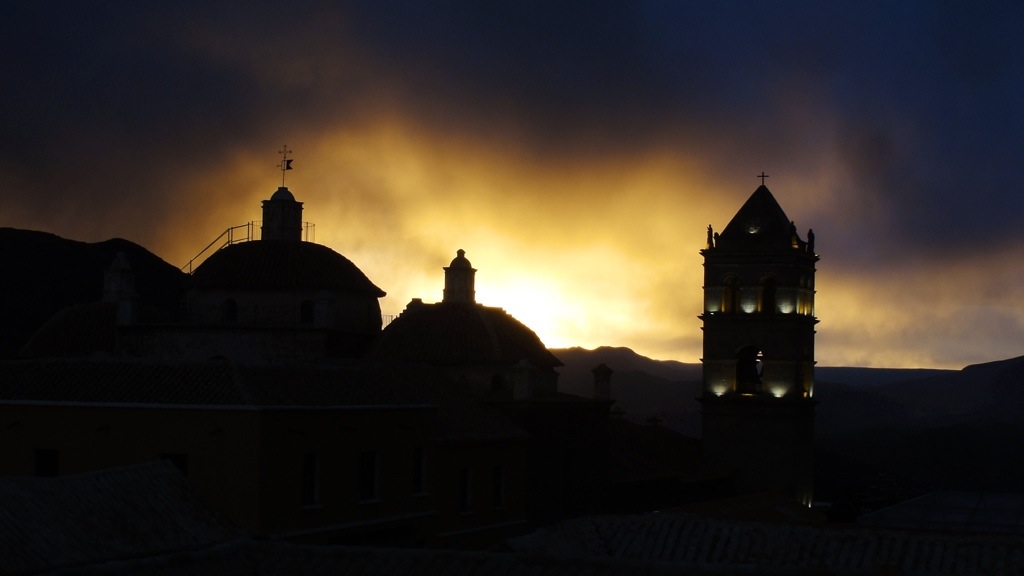
The outskirts of Potosi are extremely depressing and poor, and then as you climb higher into the centre into the old town the architecture changes hinting at the glory days of this city. At 4070m Potosi is the worlds highest city, and was once the biggest and richest city in the world after the Spanish discovered the abundant silver in the mountain “Cerro Rico” that looms over the city. Indians were forced to work in the mines for six months without returning to the surface, and the Spanish invented “El tio” the devil that lived in the mountain to instill fear into the native slaves to deter them from escaping. The air was filled with poisonous dust that killed millions of slaves. They bought slaves from Africa also, but they died quickly as they did not cope with the altitude and climate. It’s estimated that as many as eight million men have died in these mines. According to official records 41,000 metric tons of pure silver were mined from Cerro Rico from 1556 to 1783. Whilst the city was in its heyday it boasted thirty churches and the finest of everything was bought to the city for the rich to enjoy. Today Potosi is one of the poorest cities in Bolivia, as the European Conquistadors were the ones that benefited from the huge volumes silver that were mined. And whilst the mine officially closed in 1985 thousands of miners still work there searching for scraps of mineral. The average life of a miner is 35/40, as they die from silicosis for inhaling the toxic fumes and from kidney disease as they daily drink 97% proof alcohol.
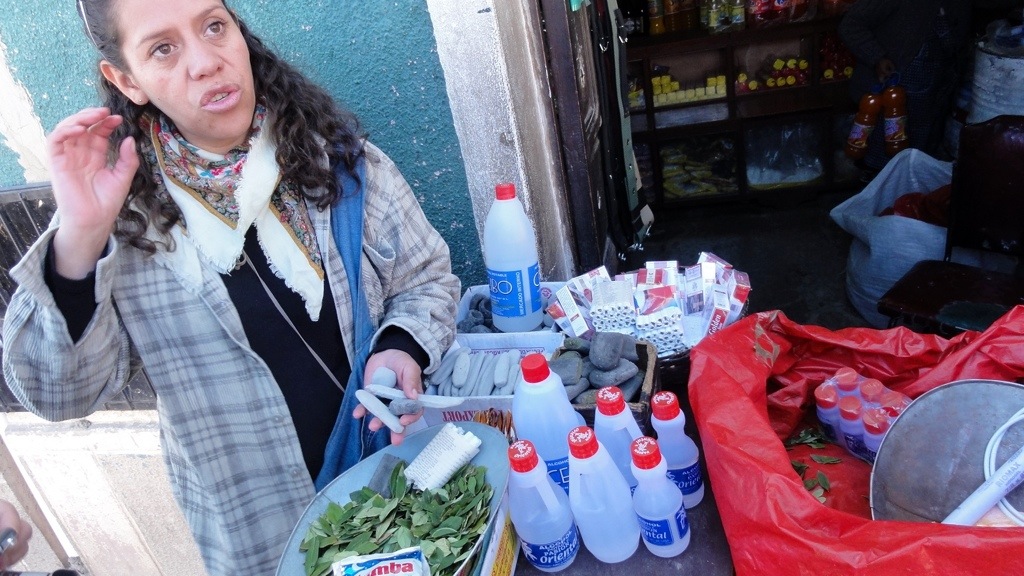
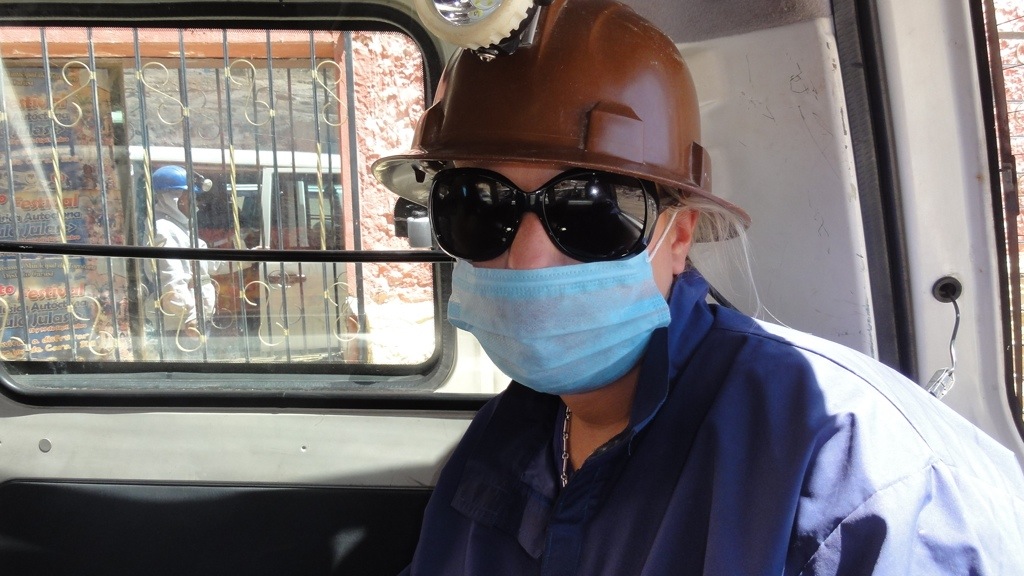
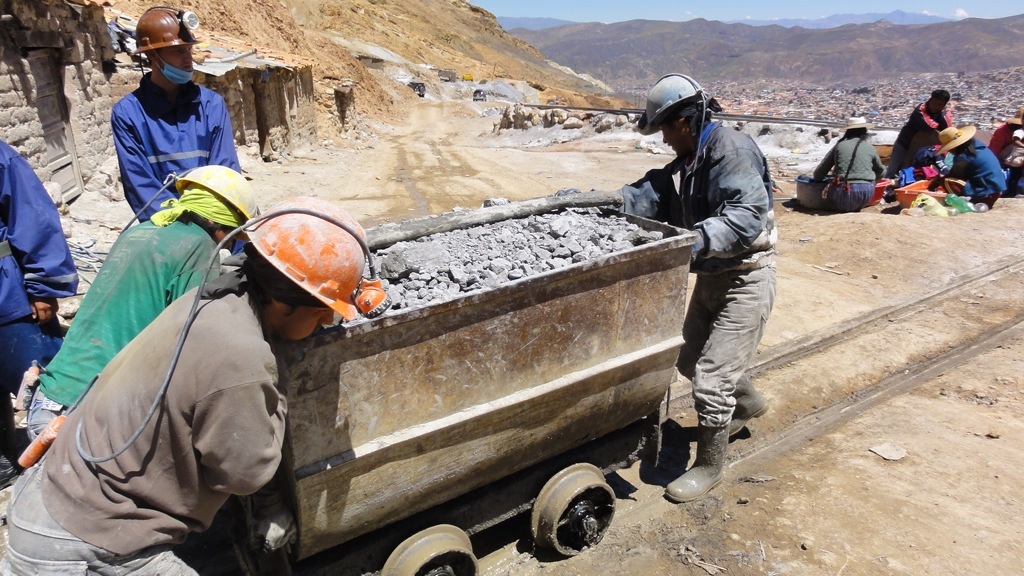
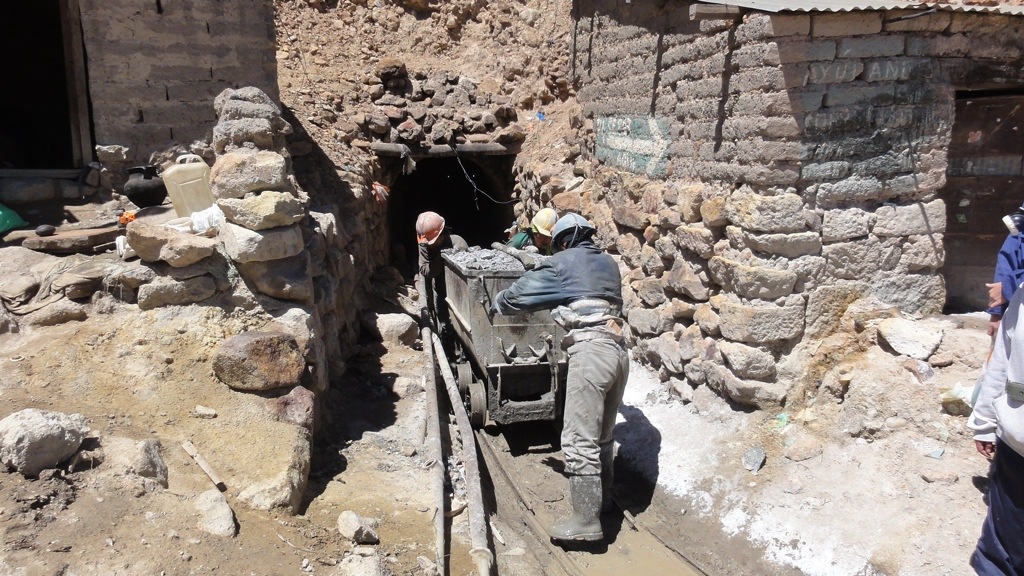
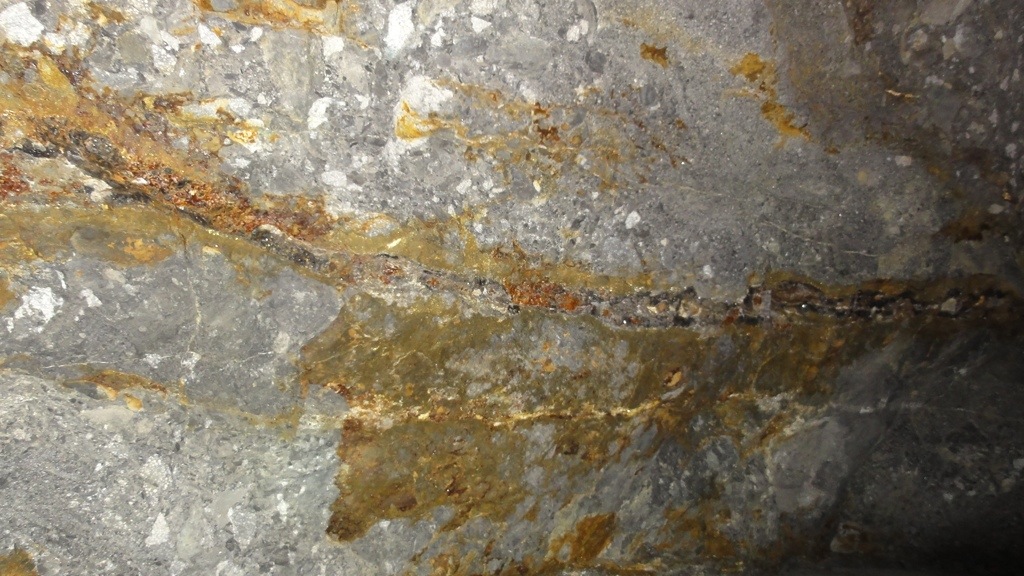
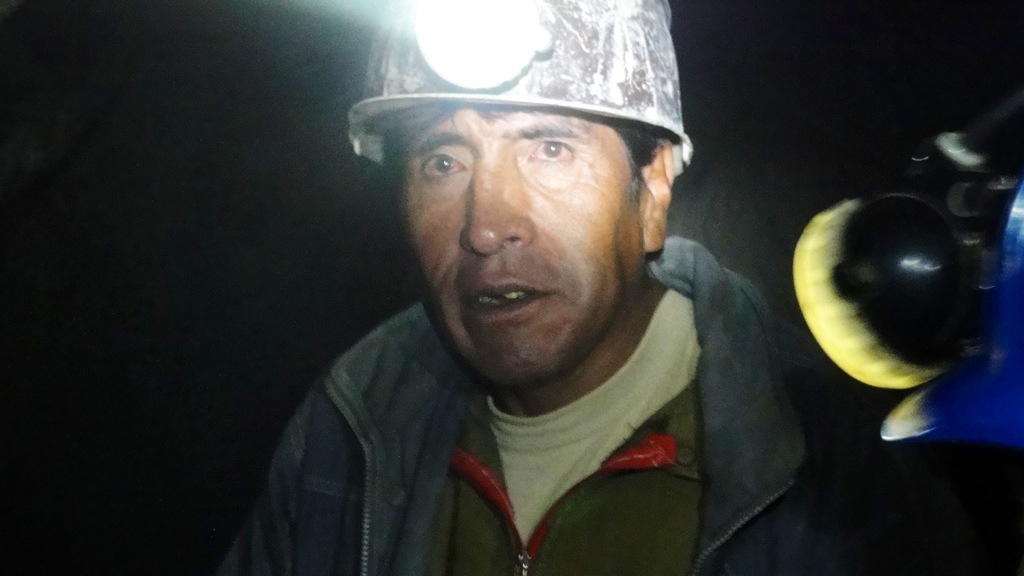
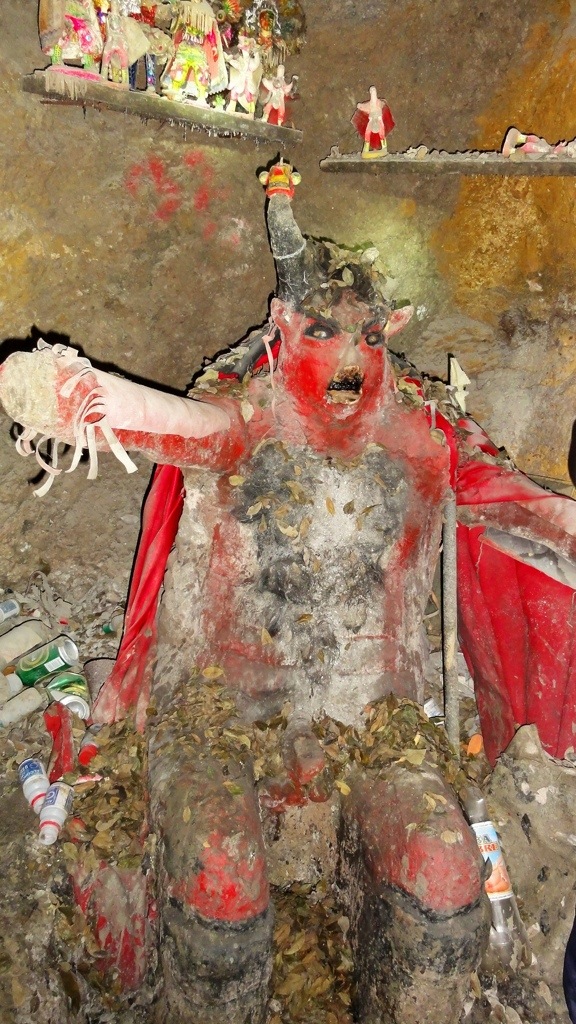
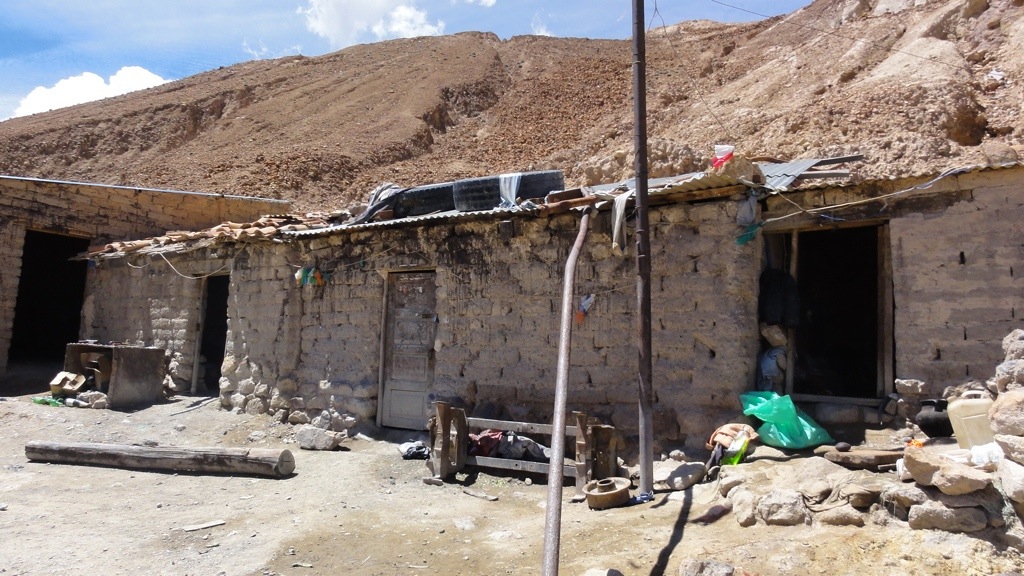
On our second day they we took a tour in one of the mines. We started in the miners market where every day the miners buy their supplies for the day, including TNT, Cocoa leaves ( which they chew on to give them energy, suppress appetite and also helps with the altitude), and the 97% alcohol. We bought a couple of things to give to the miners and headed up the mountain to a small mine. We got changed into protective clothing, included gumboots and helmet and torch and had to walk a final fifty metres up to the mine entry. We had all ready been struggling with the altitude and being another 300m further up we walked along like snails, we all tried chewing coca leaves which did help a little bit but were still constantly out of breath nonetheless. We were taken into the mine for about an hour and a half. We saw how they manually push the carts full of mineral rocks on rickety tracks, met quite a few miners and gave them the coca leaves, soft drinks and TNT we had bought. We met one miner who had worked there for thirty years, all the miners had large balls of coca in the side of their cheeks. We also saw some of the tunnels from the 16th century which were incredibly narrow. The guide took us to a statue of “El Tio”, every mine has one and every Friday all the miners come to give offerings including sprinkling cocoa leaves, alcohol and beer, they ask El Tio for his protection and to give them good veins of silver, they then get drunk for the rest of the afternoon. The worship of El Tio underground is taken very seriously by all the miners, and once outside the mine then their belief is in Christ, but they don’t believe he can protect them inside the mine. When we came out of the a mine we saw an old lady who was sat breaking small rocks searching for minerals, these were the rocks that had fallen from the truck taking the mines minerals away, she had been doing this every day for forty years. We all found the experience very humbling and even though the miners know that their lives will be quite short they are very proud of their role as miners. And comparatively the wage of a miner is fairly good.
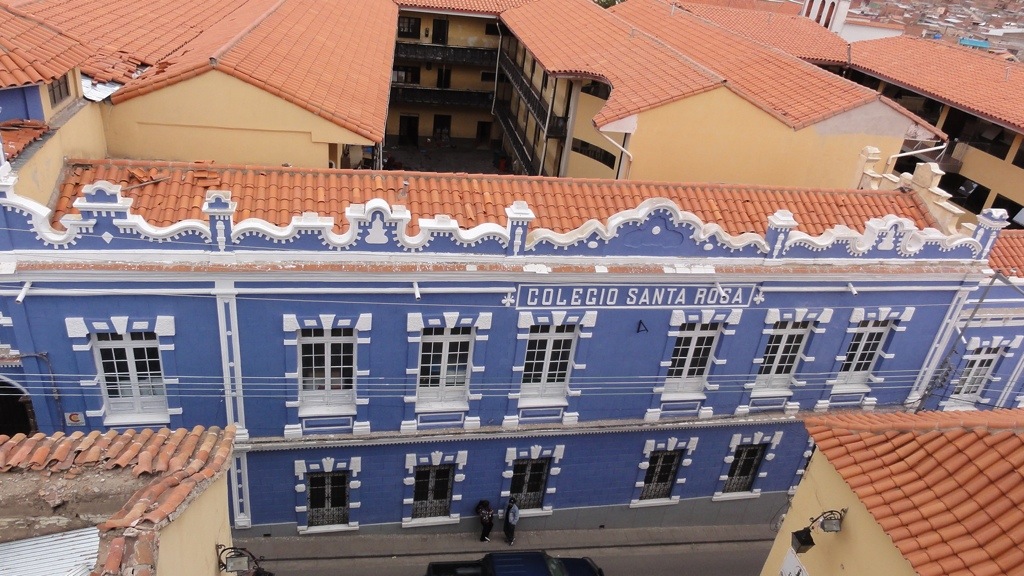
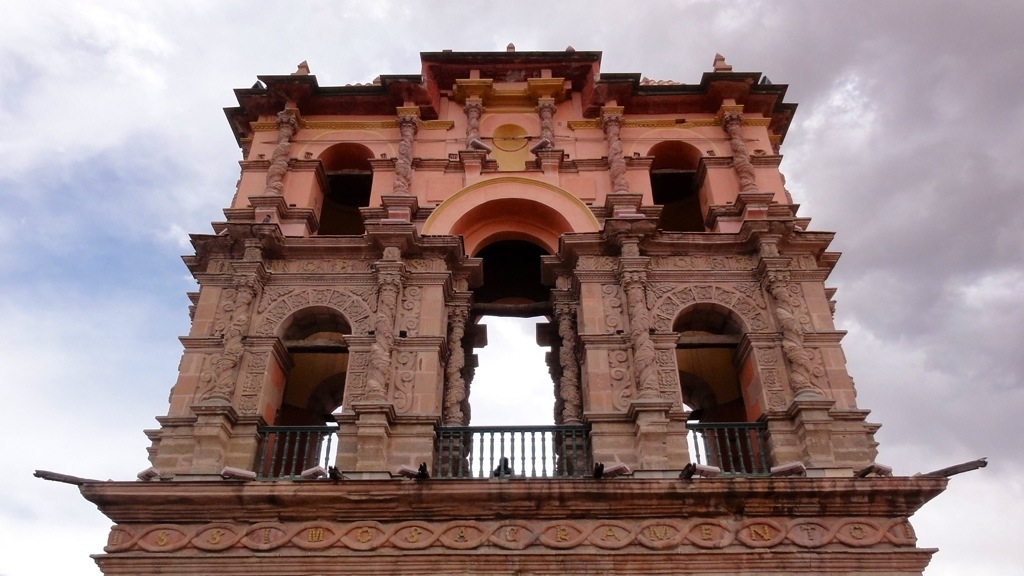
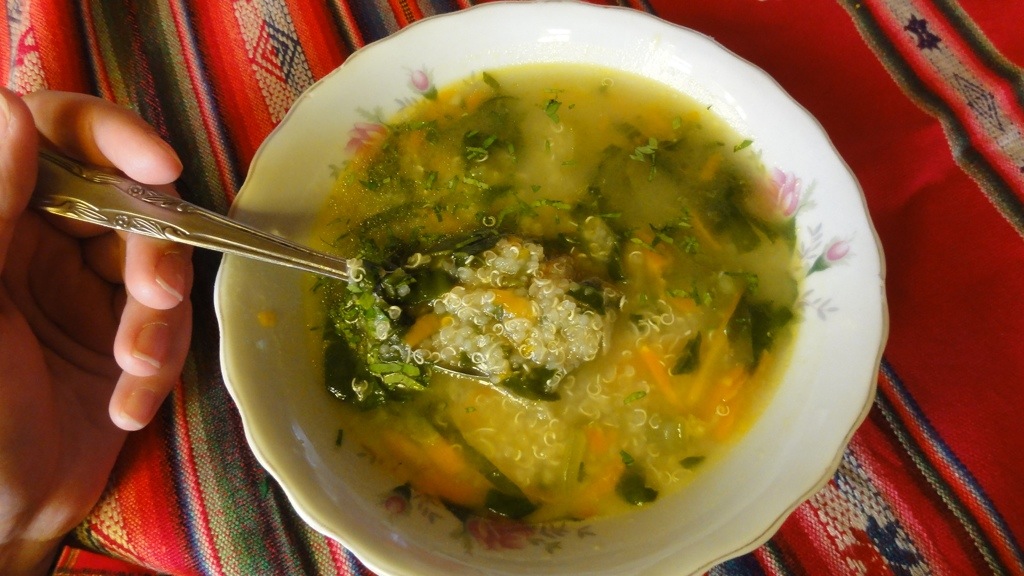
We had two nights in the city, and other then the mine tour we took things quite easy, a couple of the group suffering with altitude and weak stomachs. The streets are incredibly narrow and steep, it was an interesting place to wander and explore and the colonial churches and buildings were beautiful. But overall there is a very depressing mood over the city, with many old ladies trying to make a living selling any and everything on the street. The people are very downtrodden, and with the high altitude and fierce sun leather faced. It was very cheap to eat out and we had a four course meal for meal for £3. We all tried Lama a few times, and Quinoa soup. On our final morning four of us went to the mint museum were silver coins were produced for much Europe in the 16th century. Unfortunately you could only view the museum as part of a tour, and they only had Spanish tours when we went. It was really slow and we were in a large group and after forty minutes we all snuck off out of boredom feeling like naughty school kids!
Potosi has been one of the most interesting cities I’ve visited on my trip, and such a comparison to Sucre our next stop….











 BexBAtoRio
Attagirl!
bring me back some cocoa leaves they sound like fun..x